
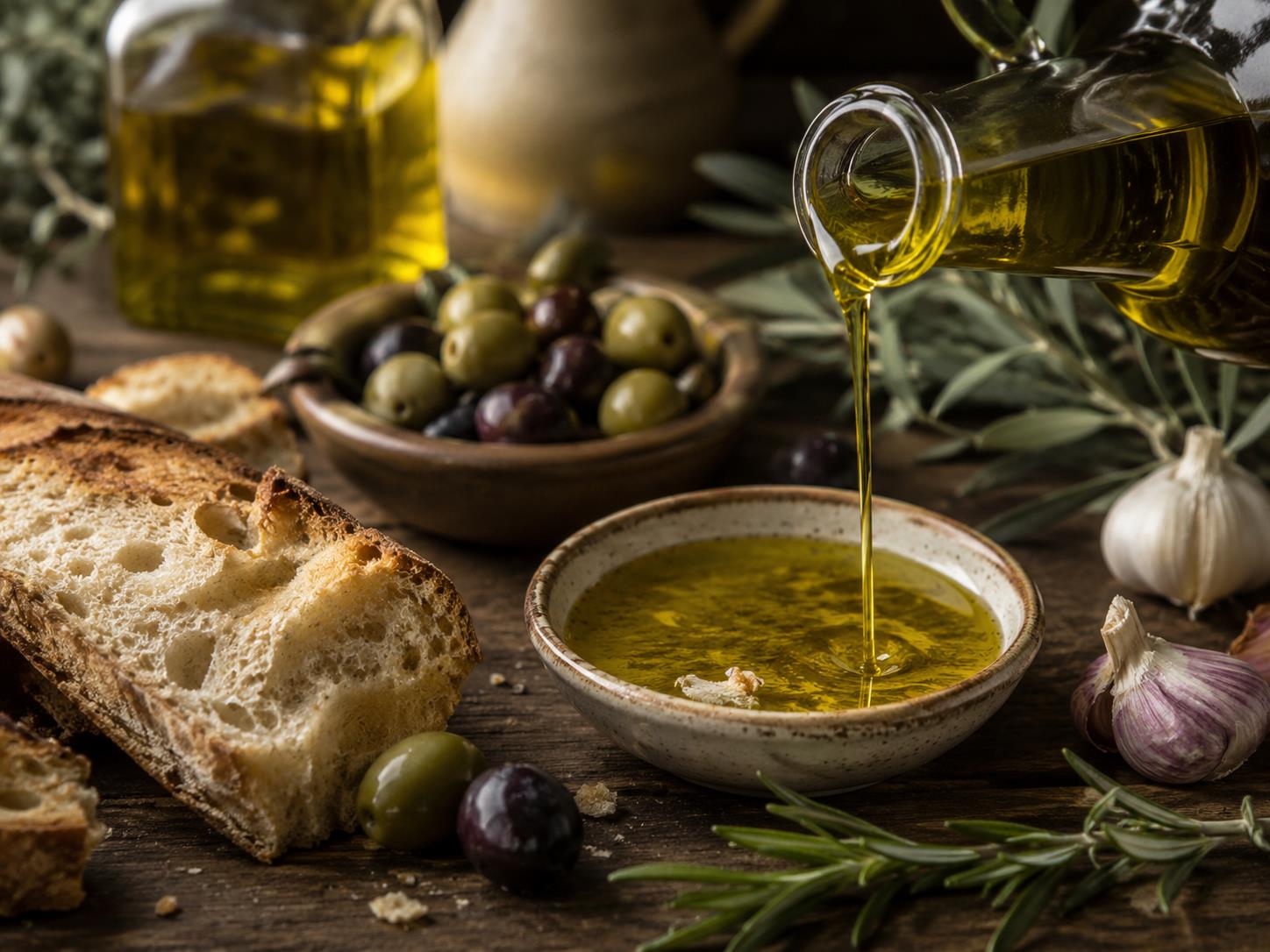
Empório Portugal's editorial guide for cooking, choosing ingredients, and creating Portuguese experiences with more safety and context.
Culturel context
Cooking Portugal in Brazil requires respect for tradition and intelligent adaptation.
Not every ingredient needs to be identical, but the culinary function should be preserved whenever possible.
Practical explanation
Observe the role of the ingredient: texture, fat, acidity, salt, aroma, or structure. The best substitution is the one that maintains this function.
Step by step
- Identify the function of the ingredient in the recipe.
- Look for a Brazilian product with similar texture and intensity.
- Adjust salt, fat, and cooking time.
- Do not substitute several key items at once.
- Record what worked to repeat later.
Tips from Empório Portugal
- Couve-manteiga works well as a substitute for Portuguese kale.
- Fresh cream usually substitutes for natas better than light cream.
- Rustic Brazilian breads help in açordas and migas.
Common mistakes
- Changing everything at once and losing reference.
- Ignoring the difference in salt in sausages and cod.
- Using sweet ingredients in savory preparations.
Possible substitutions in Brazil
- Use quality national products when imported ones are not viable.
- Keep the name of the adaptation honest, without calling it an official version.
Frequently asked questions
Does substituting change the recipe?
It can change if it alters the central ingredient; honest adaptations preserve the intention.
What is the most common substitution?
Couve-manteiga instead of Portuguese kale.
Should I mention that I adapted it?
Yes, especially in traditional recipes.
This guide is part of Empório Portugal's editorial curation, created to help readers better understand Portuguese cuisine, its ingredients, techniques, and traditions. Culinary practices may vary by region, family, and cook.
Send it to the Empório Portugal community. All submitted content is reviewed before publication.
Submit to the community