
PRODUCTS AND BASES
Pineapple from the Azores
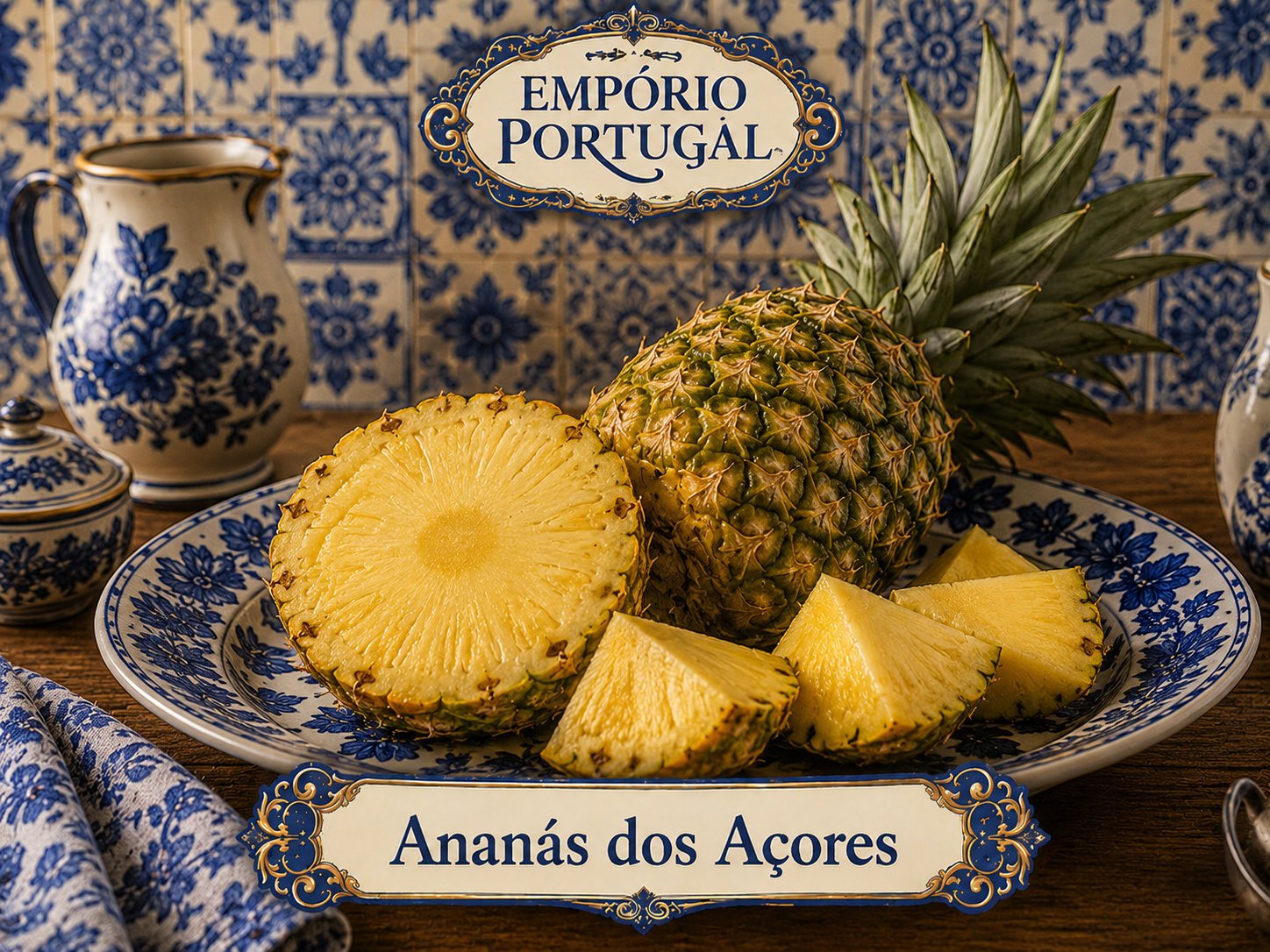
The Azorean greenhouse pineapple — intense sweetness, tropical aroma, and insular pride on the Portuguese table.
Context
Get to Know the Pineapple from the Azores
The pineapple from the Azores, mainly grown in greenhouses on the island of São Miguel, is often cited as a reference for sweetness and aroma among Portuguese tropical fruits.
The fruit's profile varies according to origin, variety, ripeness, and production conditions. In the case of the Azorean product, greenhouse cultivation and insular tradition are part of its identity.
Firm texture, fine fiber, and balanced acidity make it suitable for fresh consumption, desserts, grilling, and non-alcoholic cocktails.
Profile
Presented Characteristics
Traits that the editorial text already associates with the pineapple from the Azores — without inventing numbers, certifications, or deadlines.
Aroma and sweetness
It is often noted for its intense sweetness and aroma, especially when well-ripened.
Texture
Firm texture, fine fiber, and balanced acidity.
Greenhouse cultivation
Mainly grown in greenhouses on the island of São Miguel.
Use on the table
Suitable for fresh consumption, desserts, grilling, and non-alcoholic cocktails.
In the kitchen
How to Use
Steps, ideas, and tips already present in the editorial guide.
Choose
Choose heavy fruits with a sweet aroma at the base.
Prepare
Cut off the crown and skin with a firm knife, removing eyes if you want a clean presentation.
Cut
Slice into rounds, wedges, or cubes as needed.
Serve
Serve fresh or slightly grilled to caramelize natural sugars.
Use
Use in desserts, fruit salads, and sweet and sour sauces.
Variation Ideas
Grilled pineapple with cinnamon and honey. Dessert with fresh cheese from the Azores. Pineapple jam or sweet in island recipes.
Reserve the juice
Reserve the juice that drains for drinks and syrups.
Grill
Grilling enhances sweetness without added sugar.
Balance
Combine with mint and lemon for balance.
Territory
Origin and Context
The pineapple from the Azores is mainly grown in greenhouses on the island of São Miguel. The fruit's profile varies according to origin, variety, ripeness, and production conditions. In the case of the Azorean product, greenhouse cultivation and insular tradition are part of its identity.
The official designation Pineapple from the Azores/S. Miguel DOP identifies the protected product produced on the island of São Miguel according to the conditions defined for that designation.
Attention
Common Mistakes
Refrigerating too much
Refrigerating for too long — loses aroma.
Cutting too early
Cutting too far in advance — oxidizes and loses freshness.
Common Questions
Frequently Asked Questions
Is the Pineapple from the Azores always greenhouse-grown?
The most cited and emblematic production is usually in greenhouses, especially in São Miguel.
Is it sweeter than other pineapples?
It tends to have a sweeter and more intense aroma when well-ripened.
Are there variations?
Yes — ripening time and variety influence the profile.
Adjust ingredients and techniques according to dietary restrictions, allergens, proper storage, and professional guidance when necessary.
This guide is part of the editorial curation of Empório Portugal, created to help readers better understand Portuguese cuisine, its ingredients, techniques, and traditions. Culinary practices may vary by region, family, and cook.
Continue Exploring
Continue through Portuguese Cuisine
Queijadas de Vila Franca do Campo
Azorean sweet linked to the tradition of Vila Franca do Campo.
HubRecipes from the Azores
Hub of Azorean recipes and references.
RecipesPortuguese Recipes
Portuguese recipes published on Empório Portugal.
GuidesGuides of Portuguese Cuisine
All guides of Portuguese cuisine.
ProductsPortuguese Products
Products and bases of the Portuguese table.
Want to share a tip or family recipe?
Send it to the Empório Portugal community. All submitted content is reviewed before publication.