
Process photos
Process photos are worth more than just the final dish.
Editorial narrative with origin, family memory, and regional context — without empty folklore.
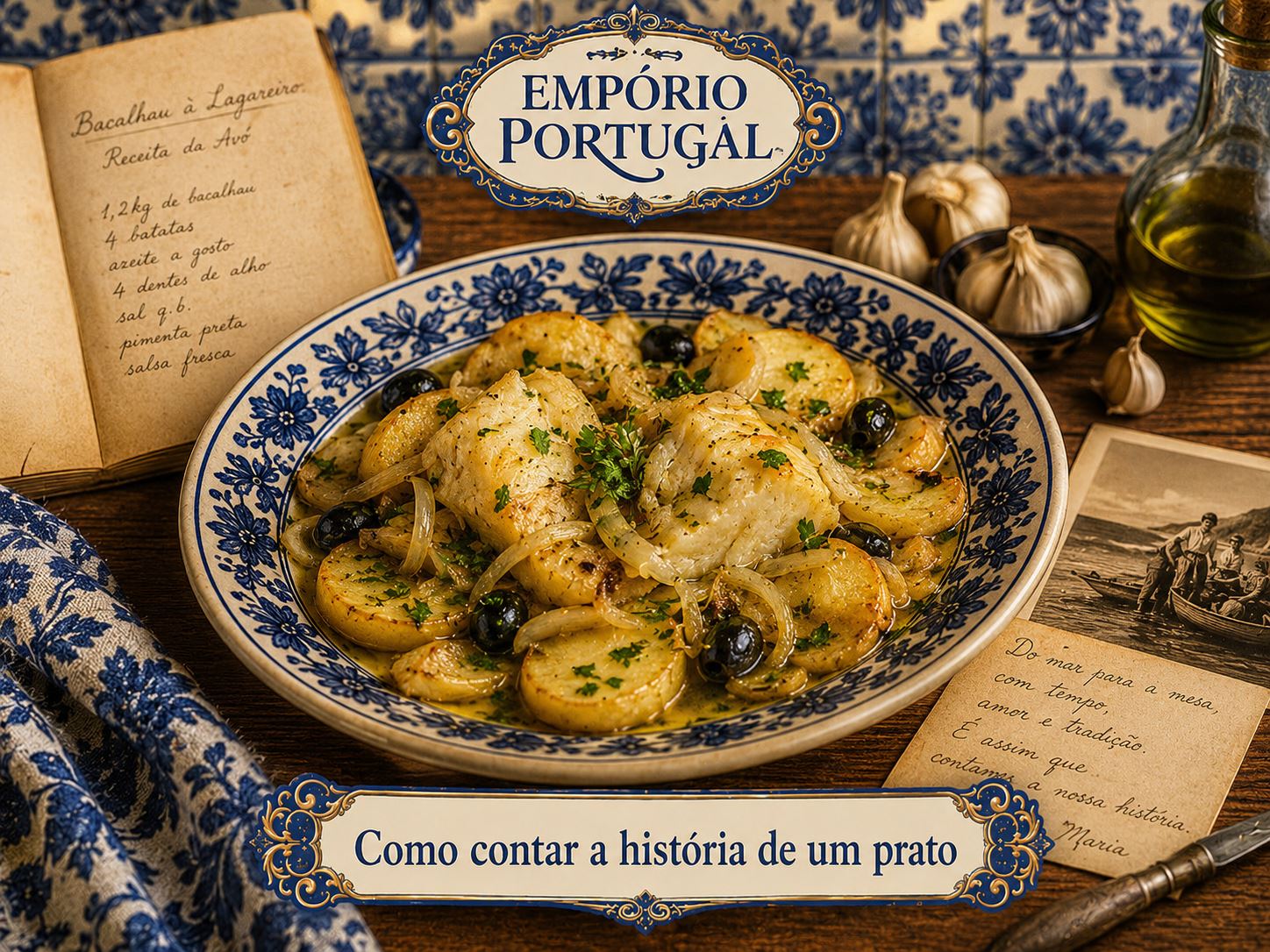
Each Portuguese dish carries layers — fisherman, convent, slaughter, celebration — and telling it well is honoring those who cooked before.
Gastronomic narrative unites ingredient, technique, place, and emotional memory without inventing tradition.
Structure: what it is, where it comes from, key ingredient, family variation, and how to serve today. Use sources, avoid baseless legends, and include the voice of those who still cook the dish at its origin.
Where it comes from — research geographical origin and probable time period.
Highlight the key ingredient that defines the dish.
Describe the technique in clear language.
Regional context — geographical origin and the place where the dish lives.
Emotional memory and the voice of family members — grandmother's memory complements documented history.
How to serve today — connect to the celebration, season, or associated profession.
Choose a dish with personal or regional significance.
Research geographical origin and probable time period.
Interview family members or producers when possible.
Describe the technique in clear language.
Mention variations without hierarchizing one as the only one.
Connect to the celebration, season, or associated profession.
Include the recipe or a link to a separate recipe.
Review the tone — respectful, not exotic.
Structure: what it is, where it comes from, key ingredient, family variation, and how to serve today. Use sources, avoid baseless legends, and include the voice of those who still cook the dish at its origin.
Process photos are worth more than just the final dish.
Citing bibliographic sources strengthens credibility.
Grandmother's memory complements documented history.
No — but distinguish family memory from documented fact.
Send via community; curation reviews before publication.
Use historical context with respect and current terminology.
Adjust ingredients and techniques according to dietary restrictions, allergies, proper preservation, and professional guidance when necessary.
This guide is part of the editorial curation of Empório Portugal. Culinary practices may vary by region, family, and cook.
Send it to the Empório Portugal community. All received content undergoes review before any publication.
Share Empório Portugal with someone who enjoys Portuguese gastronomy and culture.