
Original measure
Note handfuls, cups, and what was done by eye, as the cook teaches.
Measurements, history, and variations — preserving culinary memory for the next generation.
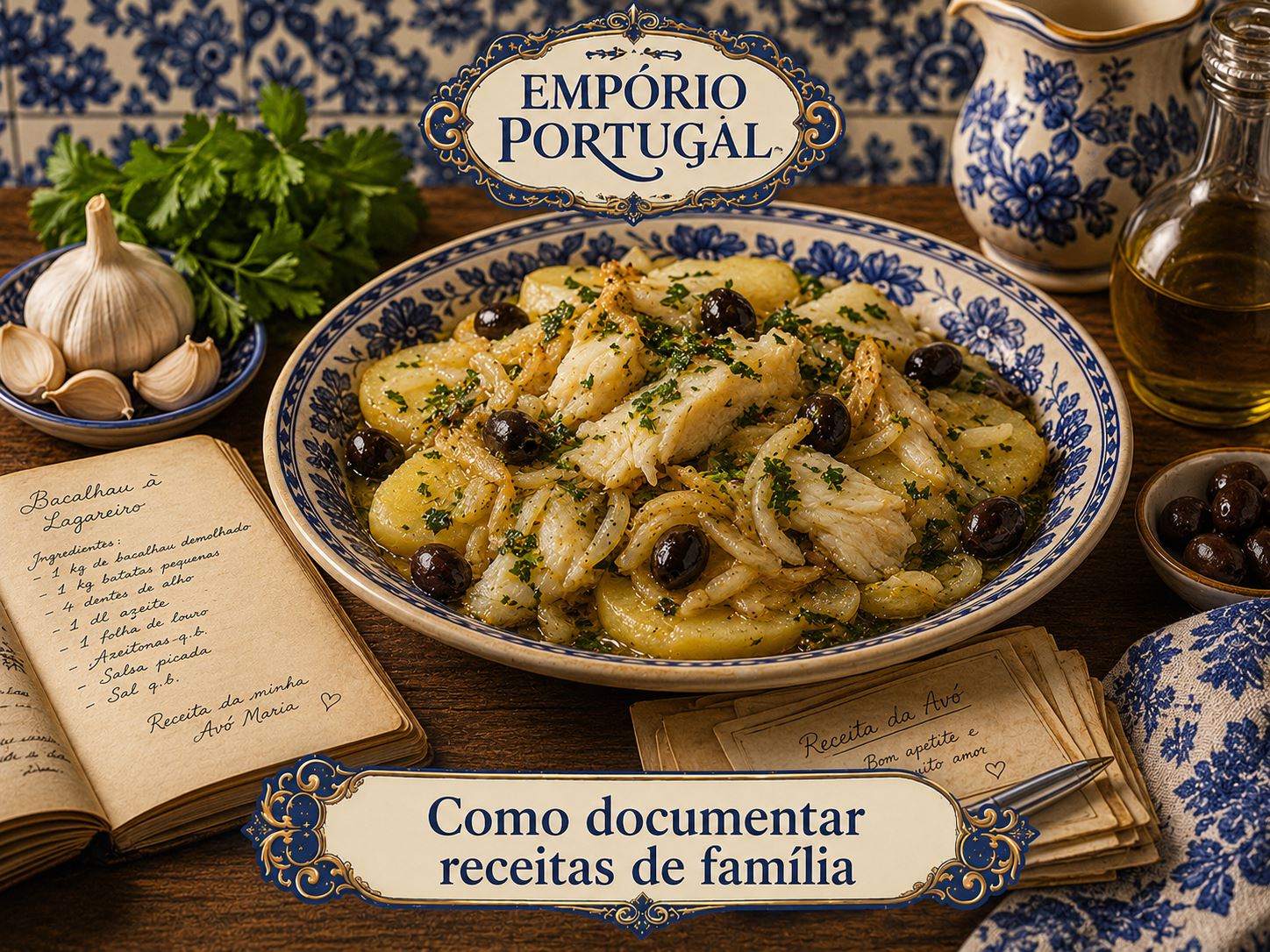
Grandma's recipes rarely had grams — handfuls, cups, and by eye — documenting is translating memory into a language that children and grandchildren can repeat.
Preserving variations and history is as valuable as the list of ingredients.
Observe the cook once, measure later, record context (who, when, celebration), photograph steps, and keep versions without imposing a single truth.
Schedule a cooking session with the recipe holder.
Note ingredients while observing — do not rely solely on memory.
Weigh handfuls and cups later in grams/ml.
Record the exact order and approximate time.
Photograph critical steps.
Ask about the origin and variations from relatives.
Record context (who, when, celebration). Date and author enrich the family archive.
Archive in digital and paper format.
Grandma's recipes rarely had grams — handfuls, cups, and by eye. Weigh later in grams/ml.
Note handfuls, cups, and what was done by eye, as the cook teaches.
If the measures change, record two columns: original and converted.
Observe the cook once and measure later. Do not omit tricks considered obvious by those who cook.
Preserving variations and history is as valuable as the list of ingredients.
Record context (who, when, celebration).
Date and author enrich the family archive.
Do not publish without family consent.
Ask about the origin and variations from relatives. Keep versions without imposing a single truth.
Editorial roadmap to translate memory into a language that children and grandchildren can repeat.
Schedule a cooking session with the recipe holder.
Note ingredients while observing — do not rely solely on memory.
Weigh handfuls and cups later in grams/ml.
Record the exact order and approximate time.
Photograph critical steps.
Ask about the origin and variations from relatives.
Test the documented recipe with the help of the original.
Archive in digital and paper format.
Document, spreadsheet, or app — with cloud backup. A recipe notebook with glued photos also works.
Document, spreadsheet, or app — cloud backup.
Recipe notebook with glued photos. Submission to the Empório community after curation, with permission.
Record two columns: original and converted.
With permission; send via /enviar-receita/.
Document, spreadsheet, or app — cloud backup.
Adjust ingredients and techniques according to dietary restrictions, allergies, proper preservation, and professional guidance when necessary.
This guide is part of the editorial curation of Empório Portugal. Culinary practices may vary by region, family, and cook.
Send it to the Empório Portugal community. All received content goes through review before any publication.
Share Empório Portugal with someone who enjoys Portuguese gastronomy and culture.