
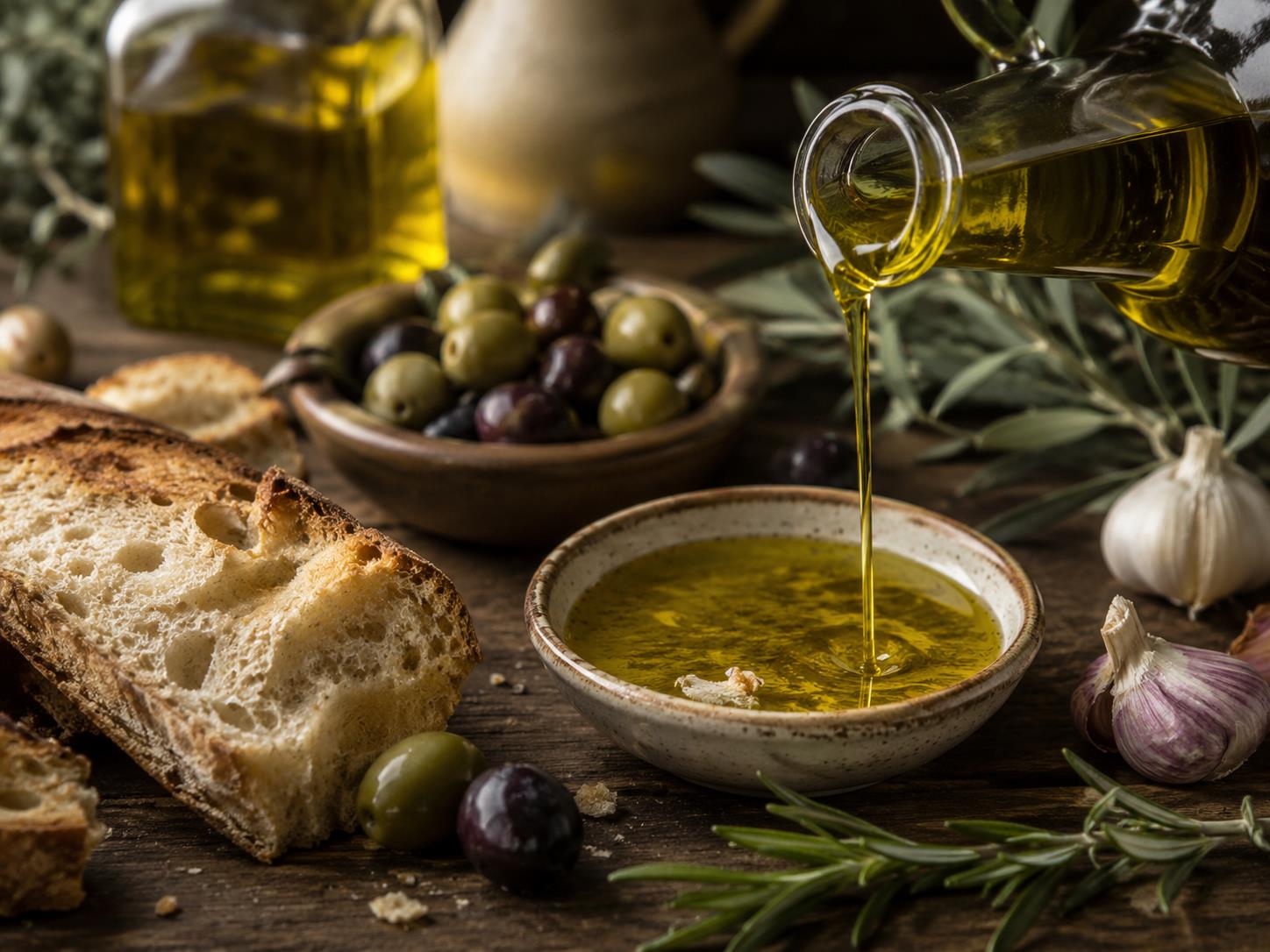
Editorial guide from Empório Portugal for cooking, choosing ingredients, and creating Portuguese experiences with more confidence and context.
Culturel context
Portuguese cabbage is not always easy to find in Brazil.
Couve-manteiga, when well cut and cooked just right, resembles many preparations.
Practical explanation
Cut finely for caldo verde, wider strips for stews, and sauté quickly to accompany cod.
Step by step
- Choose fresh and firm leaves.
- Remove thick stems when necessary.
- Cut finely for soups and caldo verde.
- Add at the end of cooking to preserve color.
- Adjust salt and olive oil after wilting.
Tips from Empório Portugal
- Overcooked cabbage loses color and texture.
- Stems can go into broth if finely chopped.
- Wash and dry before cutting.
Common mistakes
- Cooking for too long.
- Cutting thick for caldo verde.
- Using yellowed leaves.
Possible substitutions in Brazil
- Couve-manteiga is the best overall substitute.
- Escarole or Swiss chard can work in stews, with a different flavor.
Frequently asked questions
Does couve-manteiga work for caldo verde?
It works very well when cut very thin.
Can I use frozen cabbage?
You can, but the texture will be less vibrant.
What is the correct point?
Intense green, tender, but still with presence.
This guide is part of the editorial curation of Empório Portugal, created to help readers better understand Portuguese cuisine, its ingredients, techniques, and traditions. Culinary practices may vary by region, family, and cook.
Send it to the Empório Portugal community. All submitted content goes through review before any publication.
Submit to the community