
PRODUCTS AND BASES
Orange from
Algarve
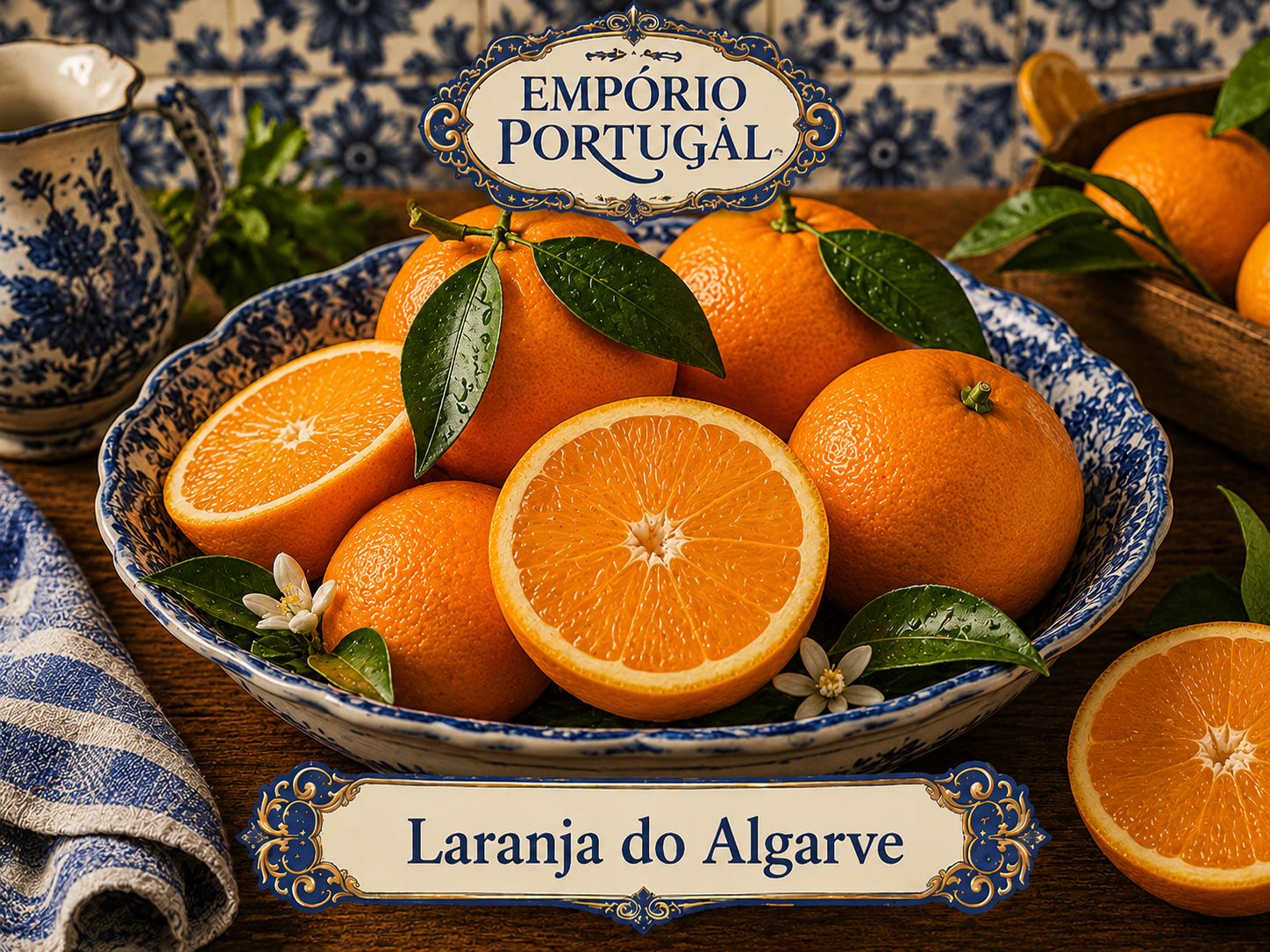
Citrus from southern Portugal — juice, sweets, salads, and sun on the Algarve table.
Context
Orange and Algarve table
The orange from Algarve marks the winter and spring of the south and the regional cuisine.
From fresh juice to sweets, passing through salads and grilled fish, the Algarve citrus is both base and finishing touch.
Table oranges and those for juice have distinct profiles — choose according to use. To use zest, choose fruit whose peel is suitable for culinary use, wash it properly, and follow the information provided on the label or by the product's responsible party. Juicy pulp balances fish, chicken, and sweets.
In the guide
Features presented on the page
Juice and aroma
Fresh juice for drinks and sauces. The season and fruit profile may vary according to variety and growing conditions. Fresh aroma and volatile aroma deserve attention in use.
Peel and zest
To use zest, choose fruit whose peel is suitable for culinary use, wash it properly, and follow the information provided on the label or by the product's responsible party.
On the Algarve table
From juice to sweets, salads, and grilled fish — the Algarve citrus works as both base and finishing touch.
Choice
How to choose
Table oranges and those for juice have distinct profiles — choose according to the intended use. It is worth observing the set of characteristics, without isolated criteria.
Weight, peel, and aroma
Prefer heavy oranges, with thin skin and fresh aroma — signs that may indicate good juice yield, depending on use.
Distinct profiles
Table oranges and those for juice have distinct profiles. Avoid confusing acidic and sweet varieties on the same plate.
In the kitchen
How to use
Choose
Prefer heavy oranges, with thin skin and fresh aroma.
Zest
Before using the peel, confirm that it is suitable for culinary use, wash it properly, and follow the product information.
Squeeze
Squeeze juice on the spot for drinks and sauces.
Use segments
Use segments in salads, fish, and roasted chicken.
Caramelize
Caramelize slices for simple desserts.
Variation ideas
Orange salad with olive oil and olives. Sauce for grilled fish with juice and herbs. Peel sweet in Algarve grandmother recipes. Pairs with olive oil, garlic, and coriander in Algarve salads.
Conservation and service
Observe storage conditions, the state of the product, and the guidance provided by the responsible party or the label.
Avoid
Using the peel without confirming if it is suitable for culinary use. Confusing acidic and sweet varieties on the same plate.
Territory
Context of Algarve
Southern Portugal
Citrus from southern Portugal on the Algarve table — juice, sweets, and salads.
Season
Winter and early spring, depending on variety. The season and fruit profile may vary according to variety and growing conditions.
Common questions
Frequently asked questions
What is the best season?
Winter and early spring, depending on variety.
Is it only for sweets?
No — fish, poultry, and salads use a lot of citrus in Algarve.
Are there variations?
Yes. The flavor profile and culinary use may vary according to variety and fruit characteristics.
Adjust ingredients and techniques according to dietary restrictions, allergies, proper conservation, and professional guidance when necessary.
This guide is part of the editorial curation of Empório Portugal. Culinary practices may vary according to region, family, and cook.
Keep exploring
Regional context of Algarve
Links to regional context and hubs of Empório Portugal — do not claim that these recipes use orange.
Dom Rodrigo
Algarve sweet — regional context, not orange recipe.
Algarve recipeFish Cataplana
Preparation inspired by Algarve cataplana — regional context.
HubRegional recipes
Regional recipes published on Empório Portugal.
ProductsPortuguese products
Products and bases of the Portuguese table.
RecipesPortuguese recipes
Portuguese recipes published on Empório Portugal.
GuidesGuides of Portuguese Cuisine
All guides of Portuguese cuisine.
Want to share a tip or family recipe?
Send it to the Empório Portugal community. All received content goes through analysis before any publication.