
Editorial guide from Empório Portugal for cooking, choosing ingredients, and creating Portuguese experiences with more confidence and context.
Culturel context
Portuguese cuisine has many meatless paths when we look at soups, breads, vegetables, eggs, and desserts.
Not every traditional recipe will be vegetarian, but it is possible to set an inspired and honest table.
Practical explanation
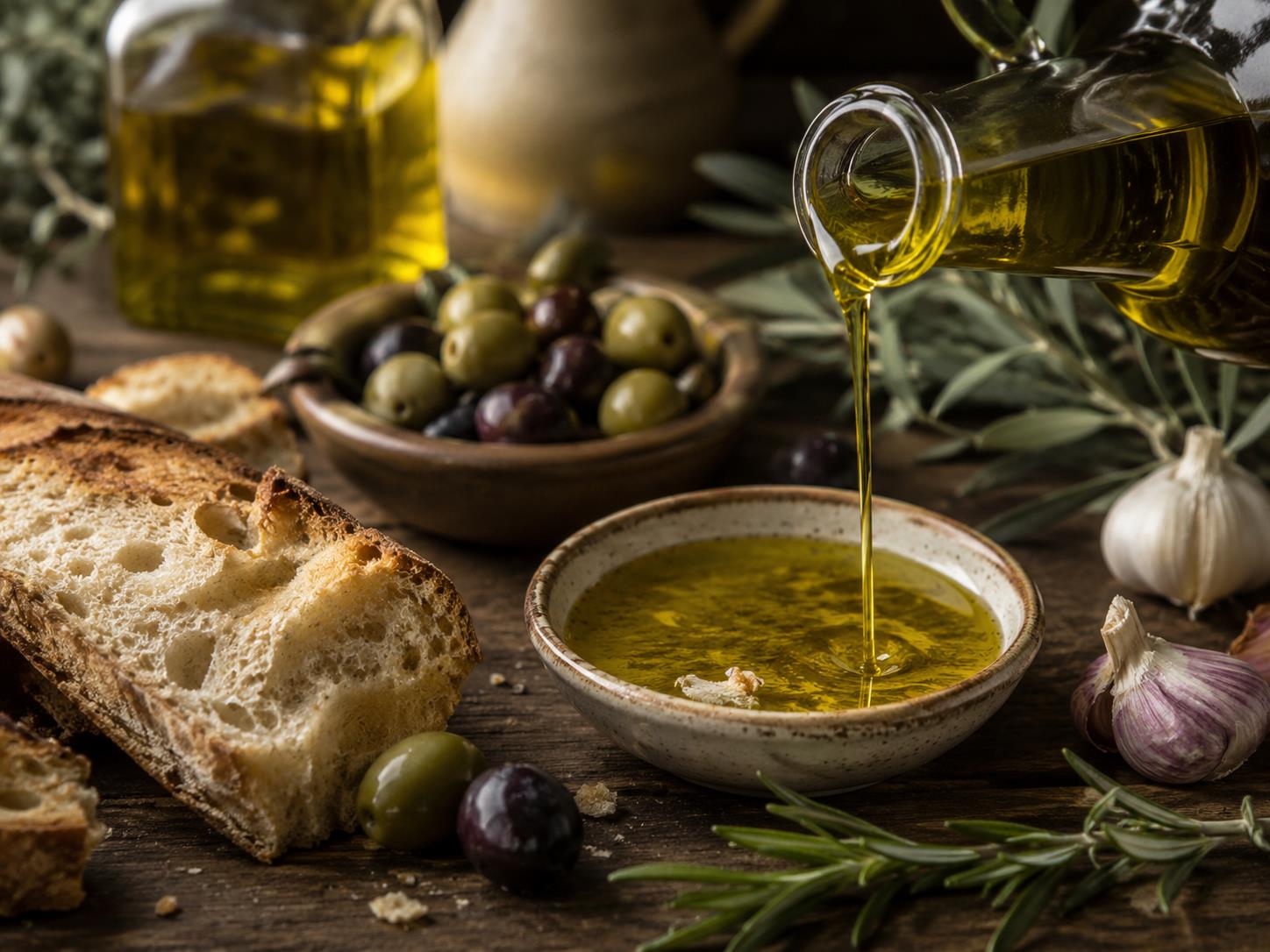
Use olive oil, garlic, bay leaves, coriander, vegetables, bread, cheeses, and eggs to build flavor without relying on sausages or meats.
Step by step
- Start with bread, olive oil, olives, and cheeses.
- Serve vegetable soup, caldo verde without chorizo, or coriander açorda.
- Include batatas a murro, tomato rice, or roasted vegetables.
- Use eggs or mushrooms for a heartier dish.
- Finish with a Portuguese dessert.
Tips from Empório Portugal
- Mushrooms add depth to sautéed dishes.
- Olive oil and herbs are essential.
- Notify when adapting a traditional recipe.
Common mistakes
- Removing meat without replacing flavor.
- Using only sides and calling it a menu.
- Forgetting protein or satiety.
Possible substitutions in Brazil
- Chorizo can be replaced with mushrooms, paprika, and olive oil.
- Homemade vegetable broth replaces meat broth.
Frequently asked questions
Can caldo verde be vegetarian?
Yes, by omitting chorizo and enhancing with olive oil and seasonings.
How to add flavor without sausages?
Use garlic, bay leaves, olive oil, paprika, mushrooms, and homemade broth.
Are Portuguese desserts vegetarian?
Many are, but they may contain eggs, milk, and butter.
This guide is part of the editorial curation of Empório Portugal, created to help readers better understand Portuguese cuisine, its ingredients, techniques, and traditions. Culinary practices may vary by region, family, and cook.
Send it to the Empório Portugal community. All submitted content is reviewed before publication.
Submit to the community