Portuguese sweets

Portuguese sweets: tradition, convents and flavours that cross generations

Editorial content of the Portuguese Sweets module.

Doces portugueses: tradição conventual e sabores que atravessam gerações

Portuguese confectionery is one of the most enchanting parts of Portugal’s culture. Made of eggs, sugar, almonds, cinnamon, puff pastry, fruit, honey and a great deal of tradition, it reveals centuries of history, creativity and a bond between faith, family and the table.

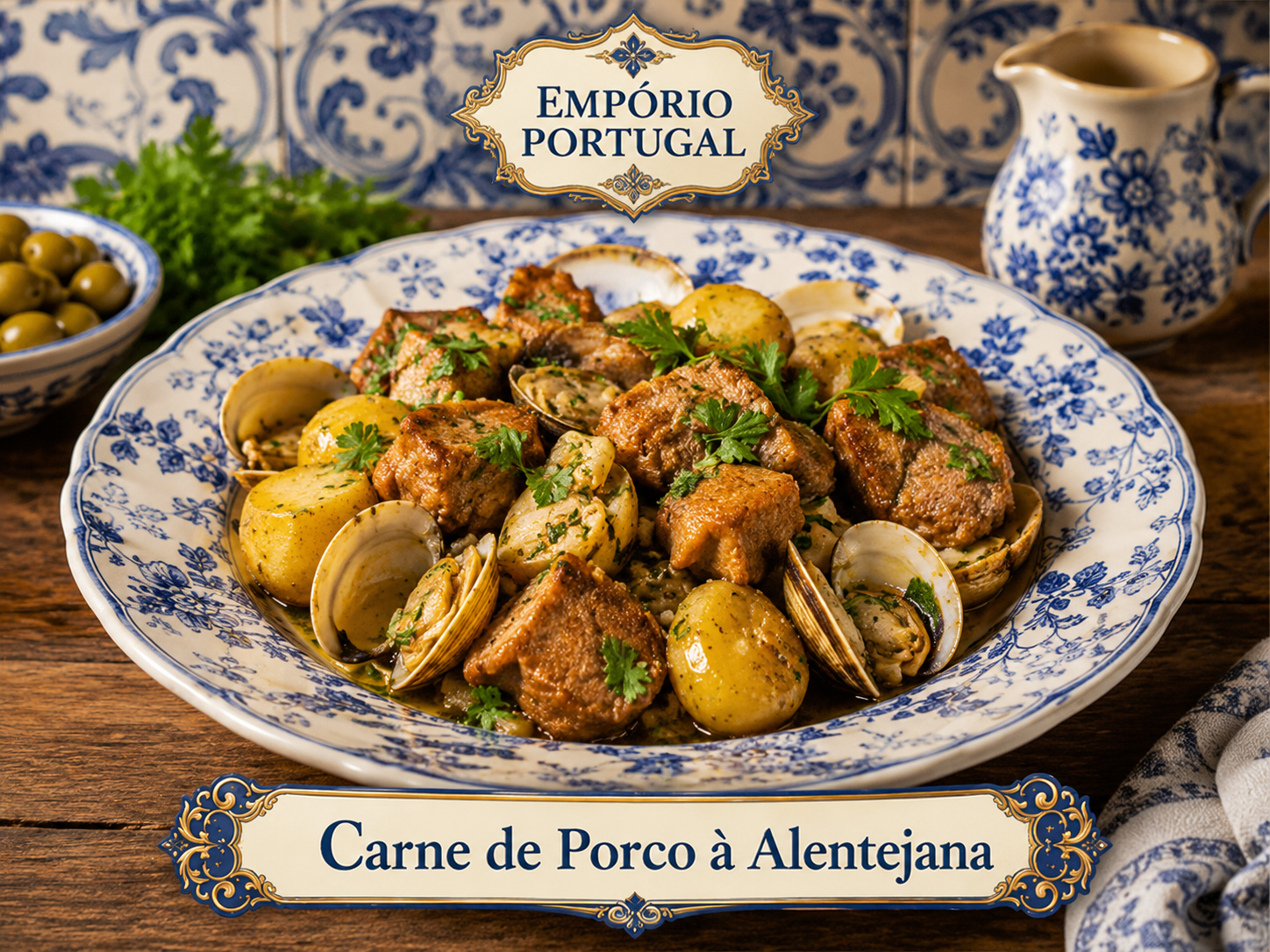
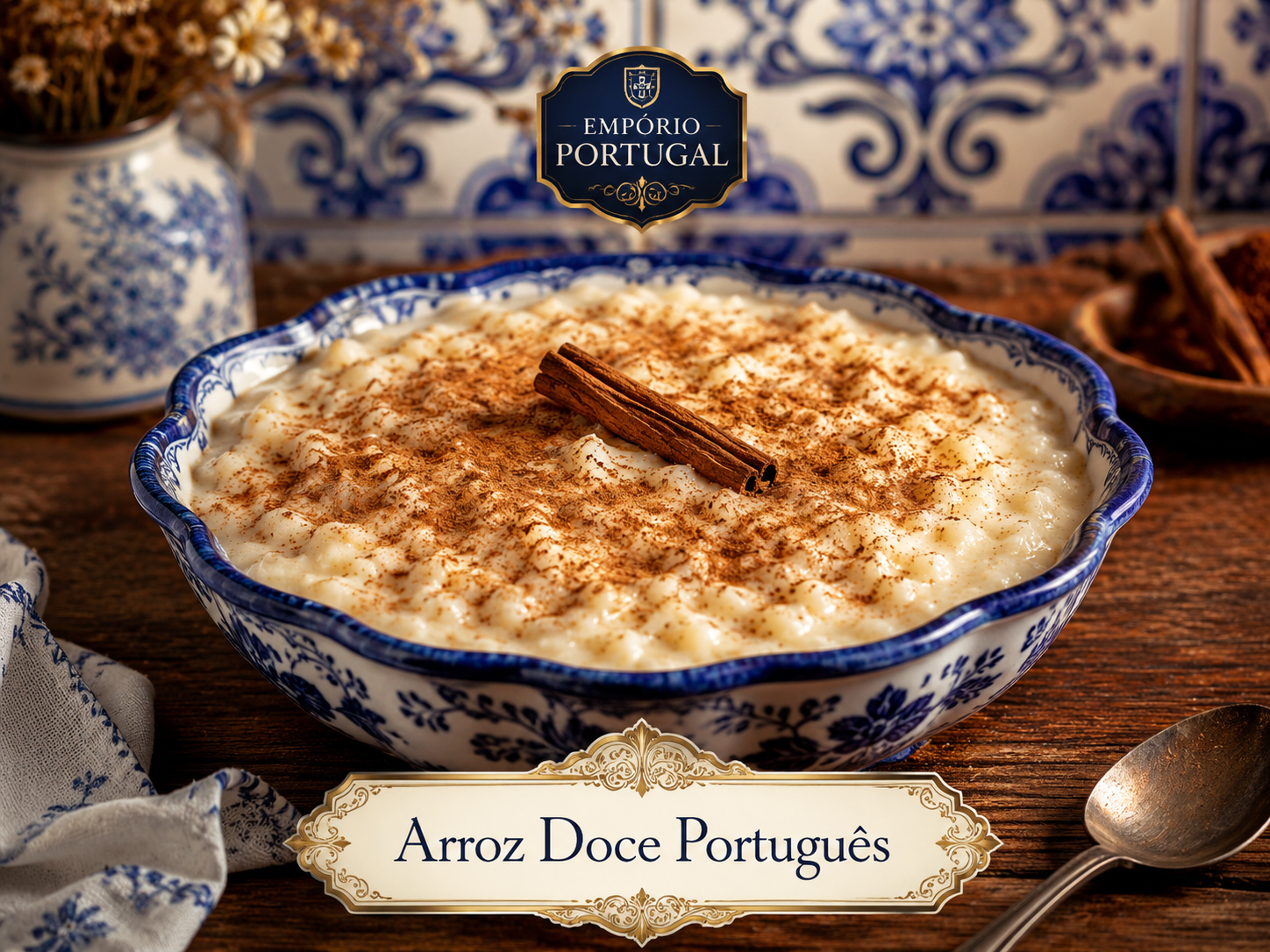
Many Portuguese sweets were born in convents and monasteries, where nuns and monks developed delicate recipes using egg yolks, sugar and careful techniques. That convent confectionery became a deep mark of Portuguese gastronomy and helped create famous desserts in several regions of the country.

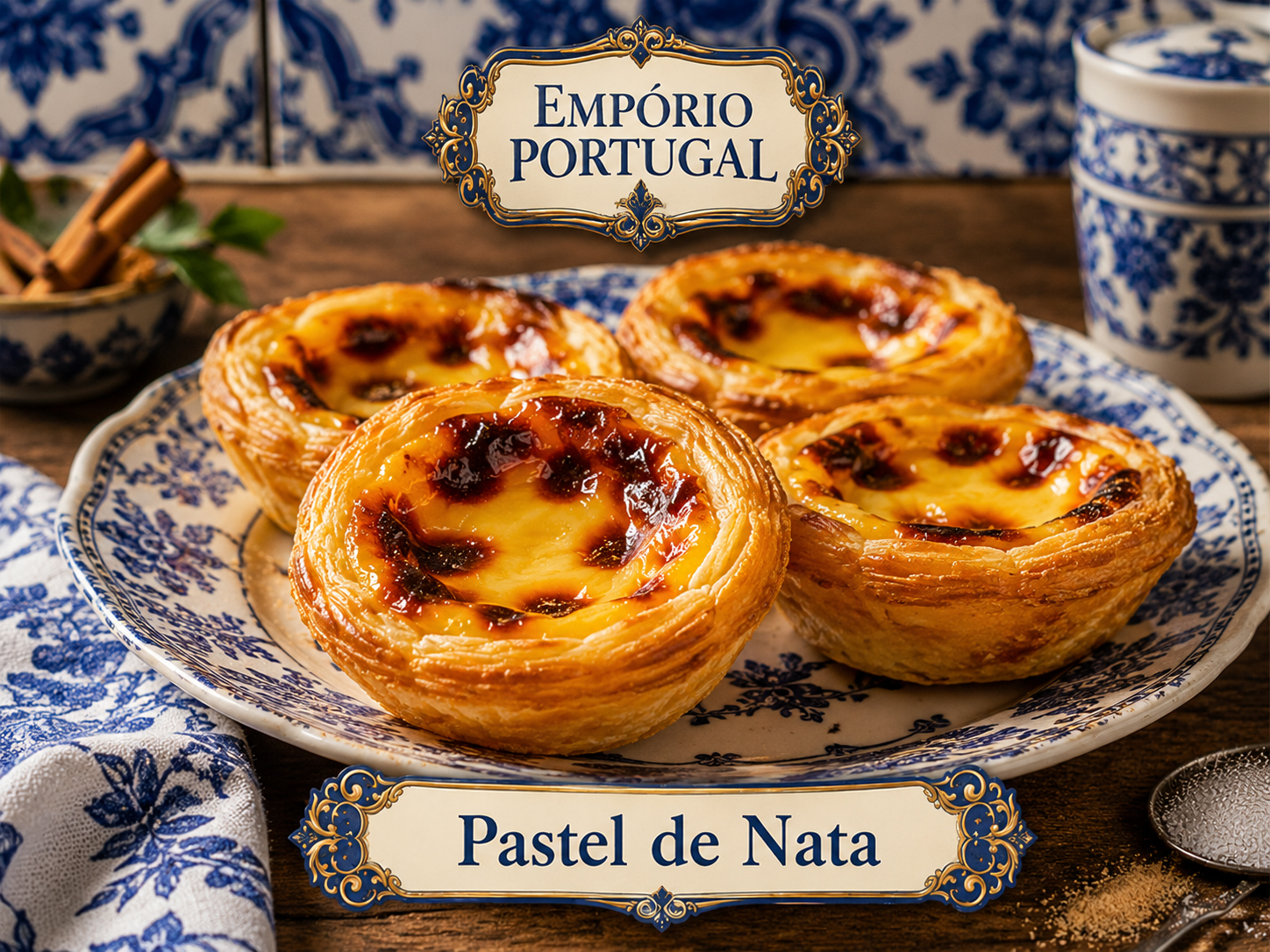
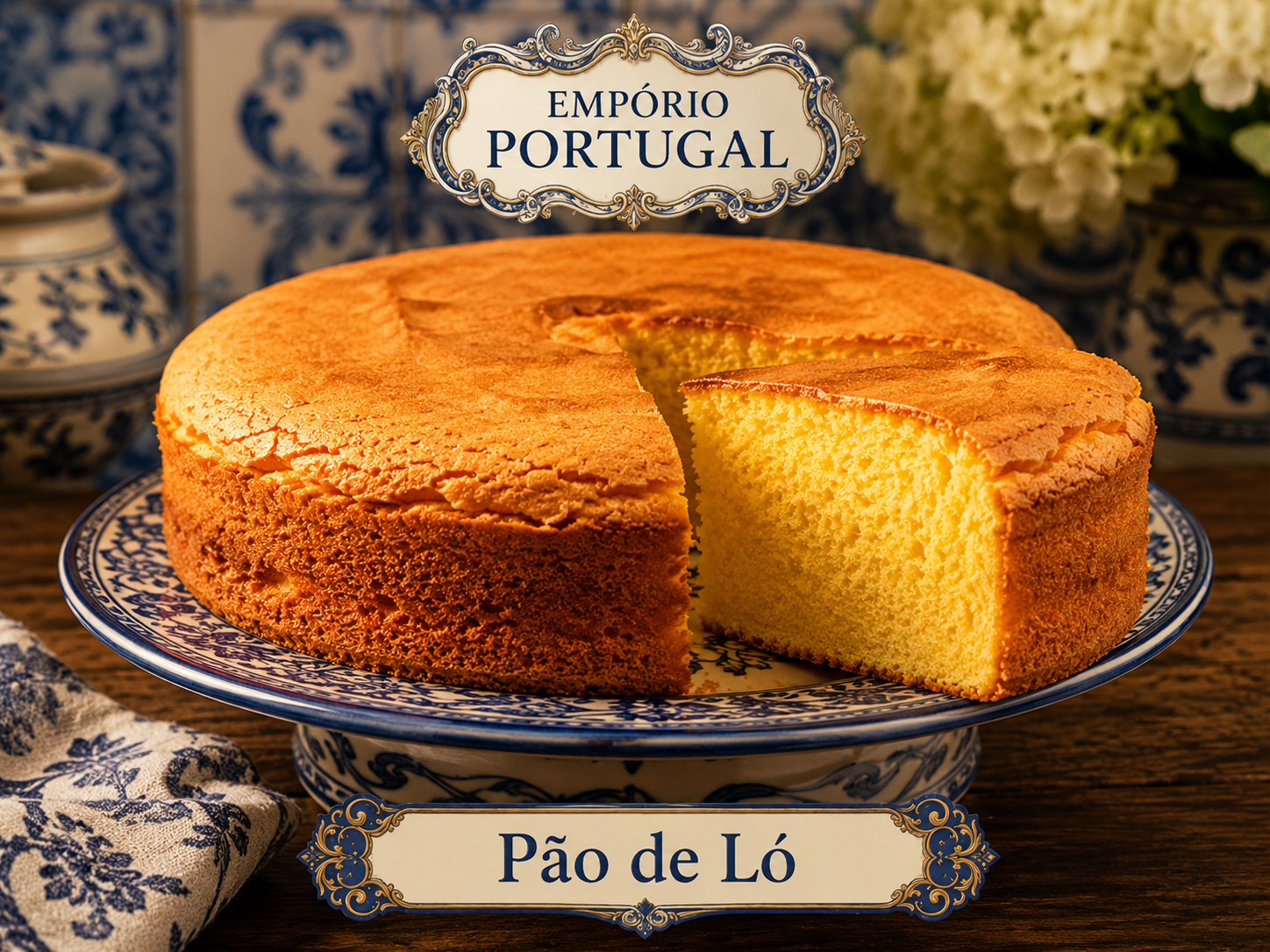
But Portugal’s sweets do not live only in convents. They also appear in pastry shops, popular festivals, romarias, cafés, family homes and the windows that delight anyone walking Portuguese streets. Pastel de nata, pão de ló, queijadas, travesseiros, ovos moles, sericaia, encharcada, dom rodrigos, bolo de mel, bolos lêvedos and many other sweets tell stories of regions, ingredients and traditions.

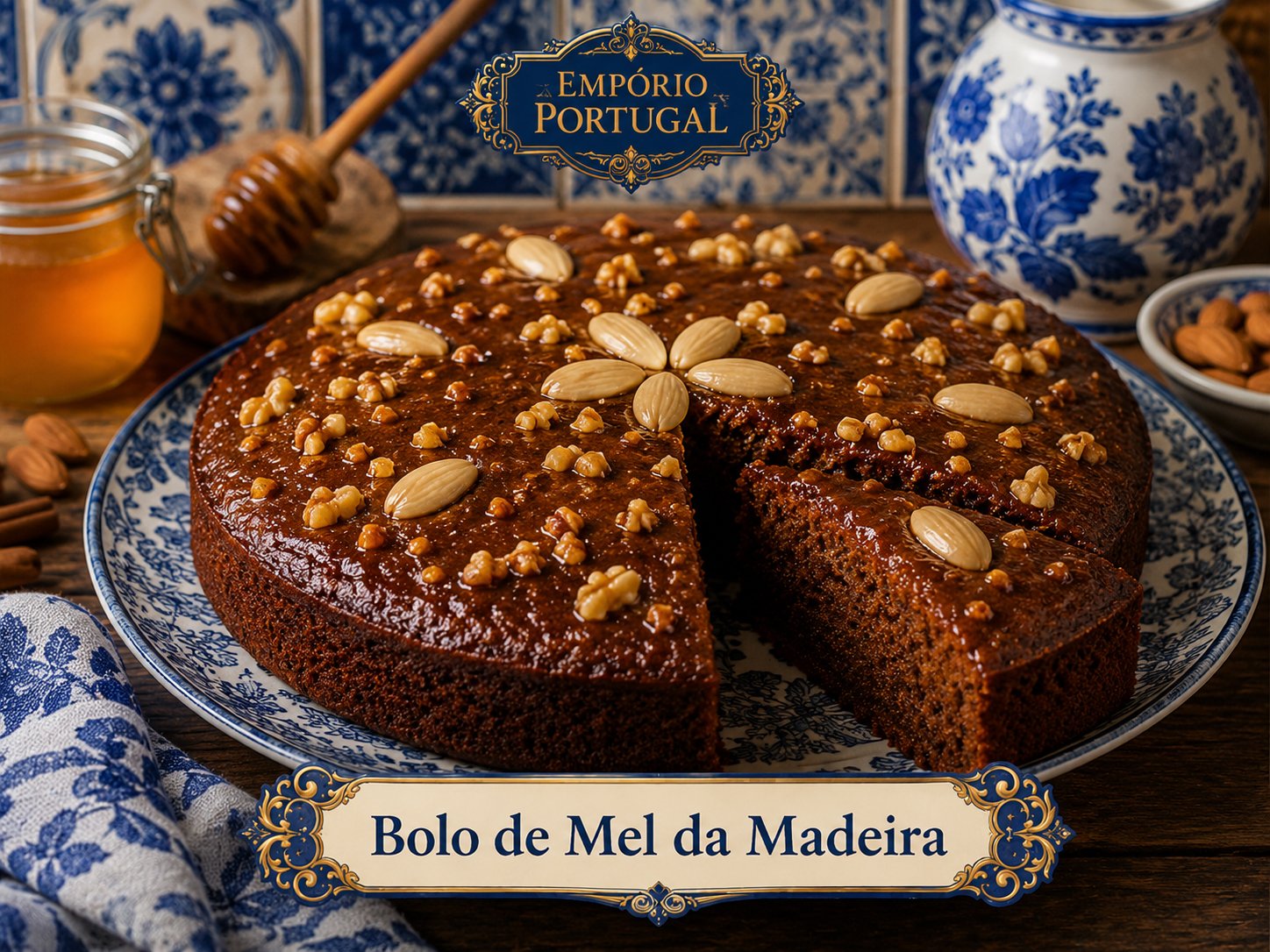
Each region has its signature. Lisbon has pastel de nata and the queijadas of Sintra. Aveiro is remembered for ovos moles. The Alentejo has a strong convent heritage, with sweets rich in eggs and sugar. The Algarve values almonds, figs and carob. Madeira brings bolo de mel. The Açores have massa sovada, bolos lêvedos and queijadas. In the North and the Beiras, pão de ló, rabanadas, tigeladas and festive sweets remain present at family moments.

At Empório Portugal, Portuguese sweets will be treated as emotional and gastronomic heritage. They can become texts, recipes, videos, travel itineraries, giftable kits, marketplace products and cultural experiences.

Main themes

  • Portuguese convent confectionery.
  • Pastel de nata.
  • Portuguese pastry shops.
  • Sweets by region.
  • Festival sweets.
  • Traditional desserts.
  • Pairings with Port, Madeira, moscatel, coffee and tea.
  • Pastry products and suppliers.

Final CTA

Discover Portuguese sweets and learn the story behind each recipe, each region and each pastry-shop window.

Sources and credits

Text structured from Empório Portugal editorial packages. Images in an internal placeholder until replaced by licensed or authorized files. Updated on 2026-05-22.

Also explore

Keep exploring Empório Portugal

Portuguese Cooking Guides

Learn techniques, ingredients and substitutions to cook Portugal with more confidence.

Empório Portugal now gathers practical guides on salt cod, olive oil, sweets, wines, menus and possible adaptations in Brazil.

Sweets clusters

Pillar pages to explore Portuguese cooking

Empório Portugal organized recipes, guides, ingredients, regions and menus into editorial clusters to make reading and discovery on Google easier.

Pillar page

Salt-cod recipes

Dishes, snacks and guides for salt cod.

Empório Portugal
Pillar page

Traditional sweets

Portuguese confectionery, convent and regional.

Empório Portugal
Pillar page

Portuguese ingredients

Guides on salt cod, olive oil, canned fish, cheeses and the pantry.

Empório Portugal

Selected recipes

Take part in Empório Portugal

Recipes, recommendations and partners start here.

Choose the path that is most useful to you. Every submission is reviewed, with no automatic publication and no commercial promise.

A letter from Portugal

Receive Portugal in your inbox

Recipes, stories, guides, sweets, wines and editorial updates in a direct channel.

Community

Have a Portuguese family recipe?

Send your recipe for editorial review and help build the Empório Portugal community.