
Editorial guide from Empório Portugal for cooking, choosing ingredients, and creating Portuguese experiences with more confidence and context.
Culturel Context
Piri-piri is a spicy seasoning closely associated with sauces, grilled dishes, and Portuguese-style chicken.
It should enhance, not hide, the flavor of the dish.
Practical Explanation
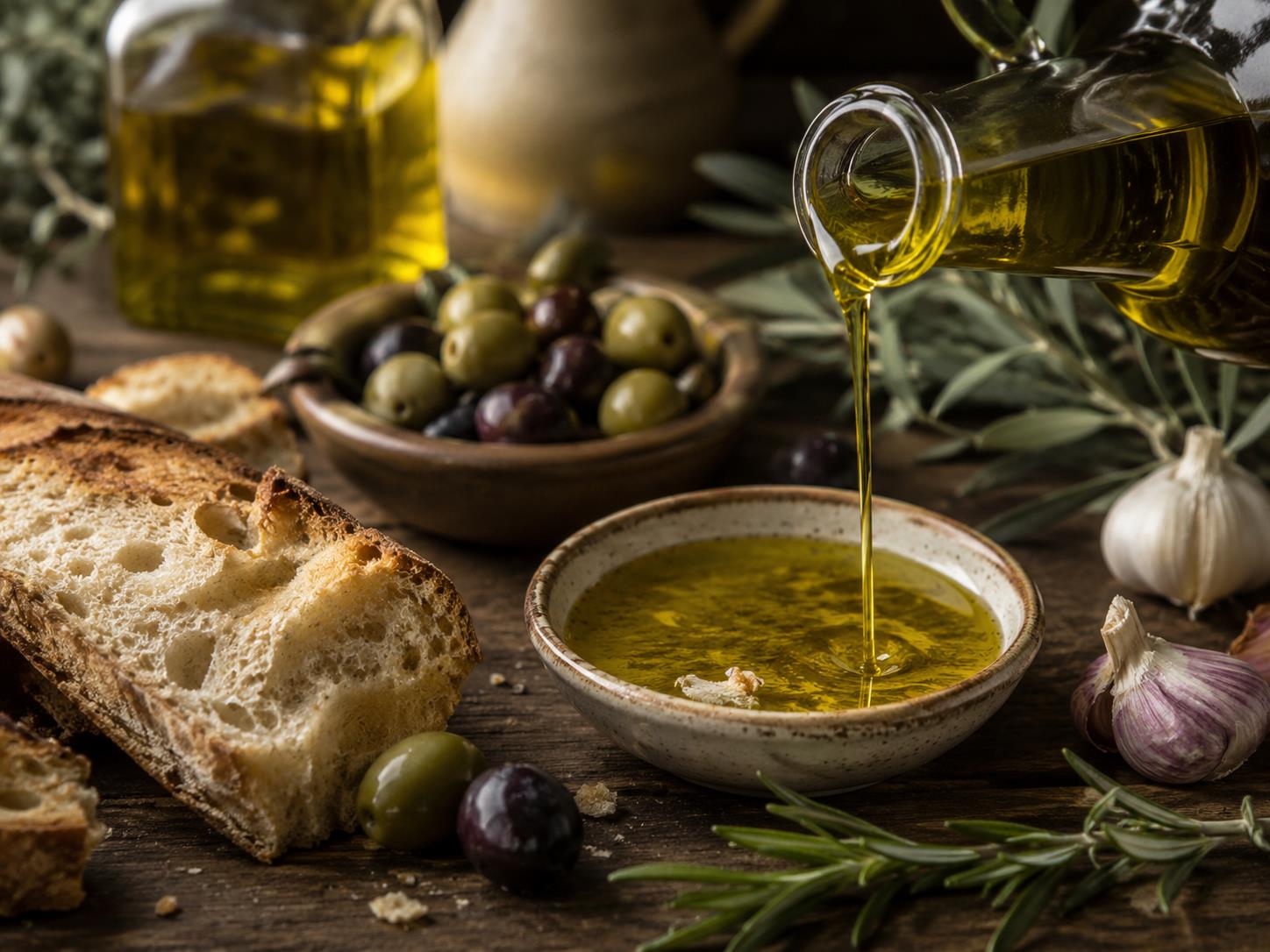
Use it sparingly, mixed with olive oil, garlic, lemon, or vinegar. On the table, offer it separately for each person to adjust.
Step by Step
- Choose a sauce or dried pepper of good quality.
- Mix small amounts into olive oil or marinade.
- Taste before applying it to the entire dish.
- Use it on chicken, shrimp, potatoes, or preserves.
- Store it closed and away from heat.
Tips from Empório Portugal
- Acid helps balance spiciness.
- Piri-piri pairs well with grilled foods.
- Serve separately when there are guests.
Common Mistakes
- Adding too much at the beginning.
- Using spiciness to mask lack of seasoning.
- Forgetting that some sauces already contain salt.
Possible Substitutions in Brazil
- Brazilian malagueta can substitute, adjusting intensity.
- Spicy paprika with olive oil creates a milder approximation.
Frequently Asked Questions
Is piri-piri very strong?
It depends on the product. Start with a little and adjust.
Does it go well with fish?
Yes, but in smaller amounts so it doesn't overpower the flavor.
Can I make sauce at home?
You can, taking care of hygiene, acidity, and preservation.
This guide is part of the editorial curation of Empório Portugal, created to help readers better understand Portuguese cuisine, its ingredients, techniques, and traditions. Culinary practices may vary by region, family, and cook.
Send it to the Empório Portugal community. All submitted content is reviewed before publication.
Submit to the community